CT
Outpatient CT Scans in Dallas, Texas
CT scans are one of the most versatile tools available for diagnostic imaging. By combining multiple X-ray images with computer processing, CT produces detailed cross-sectional views that can help physicians evaluate everything from fractures and lung abnormalities to abdominal conditions and blood-vessel disorders.
Gateway Diagnostic Imaging offers CT imaging at its Dallas location, with advanced technology, experienced radiologists, and an outpatient experience designed around patient convenience and affordability.
Why Choose Gateway for Your CT Scan in Dallas?
Gateway’s Dallas imaging center gives patients access to:
- Advanced CT technology for detailed diagnostic imaging
- Same-day and next-day appointments when available
- Early morning, evening, and Saturday appointment options
- Up to 93% savings compared with hospital imaging
- In-network coverage with most major insurance providers
- Self-pay options and financial assistance for qualifying patients
- A simplified billing experience without separate facility and radiologist bills
CT can be an especially useful imaging option when a physician needs detailed information quickly. The technology can capture images of bones, organs, soft tissues, and blood vessels, making it appropriate for a broad range of diagnostic applications.
CT Imaging in Central Dallas
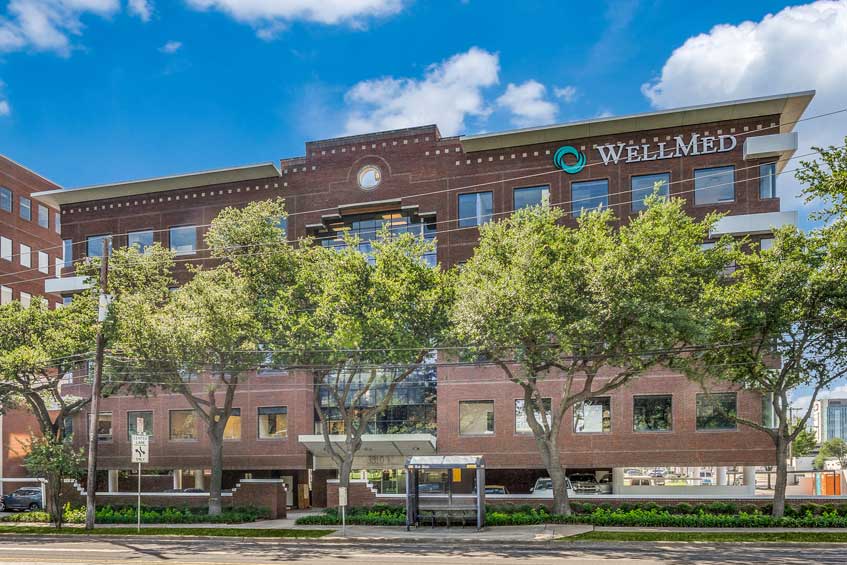
Gateway Diagnostic Imaging’s Dallas center is located at 3310 Live Oak Street, Suite 210, near Baylor University Medical Center. Its central location provides an accessible option for patients living or working in and around central Dallas.
The facility offers more than CT imaging. Patients can also receive MRI, ultrasound, and X-ray services at the Dallas location.
Dallas
- Phone: 214-935-5566
- Fax: 214-393-9707
-
3310 Live Oak Street
Suite 210
Dallas, TX 75204
View on Google Maps -
Monday – Friday: 7:00AM – 7:00PM
(After 5:00 by appointment only)
Saturday: 8:00AM – 2:00PM
The Dallas center serves patients from neighborhoods and communities throughout the surrounding area, including:
- Downtown Dallas
- Deep Ellum
- East Dallas
- Lake Highlands
- Lakewood
- North Park
- Preston Hollow
- Oak Lawn
- Swiss Avenue
- Uptown Dallas
- Vickery Meadow
- White Rock Lake area
Types of CT Imaging Available in Dallas
CT technology can be adapted to examine different areas of the body and answer specific diagnostic questions. Gateway’s Dallas location offers a range of CT examinations, depending on the imaging study ordered by your healthcare provider.
Brain CT
A CT scan of the brain can provide detailed images of the structures inside the skull. It may be used to investigate head injuries, bleeding, stroke-related concerns, tumors, and other neurological conditions.
Chest CT
Chest CT provides a more detailed look at the lungs and other structures within the chest than a conventional chest X-ray. Physicians may use it to investigate lung nodules, infections, injuries, masses, and other abnormalities.
Abdominal CT
A CT of the abdomen can capture detailed images of numerous organs and structures at once. These exams may be used when evaluating abdominal pain, kidney stones, infections, masses, gastrointestinal conditions, and other concerns.
Low-Dose CT Lung Cancer Screening
Low-dose CT is used to screen certain individuals who have an elevated risk of developing lung cancer. The examination is performed using a lower radiation dose and can identify small abnormalities that may not be visible on a standard chest X-ray. Eligibility depends on individual risk factors and current screening recommendations.
Spine CT
A CT scan of the spine produces detailed images of the vertebrae and surrounding structures and can be useful for evaluating spinal injuries, fractures, degenerative changes, and other abnormalities. CT may be particularly helpful when detailed imaging of the bony structures of the cervical, thoracic, or lumbar spine is needed.
Sinus CT
A sinus CT provides detailed images of the nasal passages and sinus cavities. Physicians commonly use this examination to evaluate chronic or recurring sinus problems, inflammation, blockages, structural abnormalities, nasal polyps, and other conditions affecting the sinuses.
What to Expect During a CT Scan at Our Dallas Location
A CT exam typically involves lying on a motorized table that moves through the opening of the scanner. Unlike an MRI, the CT scanner is relatively open and the image acquisition itself is generally quick.
Before the exam, your technologist will review the instructions for your particular study. Depending on the type of CT you are receiving, you may need to fast beforehand or complete other preparation.
During the scan:
- You will remain on the exam table while images are acquired.
- You may be asked to remain still or briefly hold your breath.
- Some exams require contrast material.
- Your technologist will be able to communicate with you throughout the scan.
Afterward, your images are reviewed by a radiologist. The radiologist’s report is then provided to the healthcare provider who ordered your exam.

FAQs About Gateway CT Services in Dallas
Do I need a doctor's order for a CT scan?
Yes. Gateway requires an order from a qualified healthcare provider before performing a CT exam.
How long does a CT scan take?
The time varies depending on the exam. CT image acquisition itself can be quite fast, although preparation and the use of contrast can add time to the appointment.
Does Gateway accept insurance for CT services?
Gateway Diagnostic Imaging is in-network with most major insurance providers. Individual coverage and out-of-pocket expenses vary by insurance plan. Gateway also offers self-pay pricing and financial assistance programs for qualifying patients.
Does Gateway have other locations besides Dallas?
Yes. Gateway Diagnostic Imaging has locations throughout North Texas and in Abilene. Locations include:
- Abilene
- Arlington
- Dallas
- Fort Worth
- Frisco
- Keller/Alliance
- Mansfield
- Mid-Cities
- Plano
- Richardson
- Sherman
- South Fort Worth
- Weatherford
What makes Gateway a good option for a CT scan in Dallas?
Gateway provides access to advanced CT imaging without requiring patients to receive their exam in a hospital setting. Flexible scheduling, extended hours, experienced radiologists, insurance coverage, and outpatient pricing give Dallas-area patients another option for completing physician-ordered diagnostic imaging.